
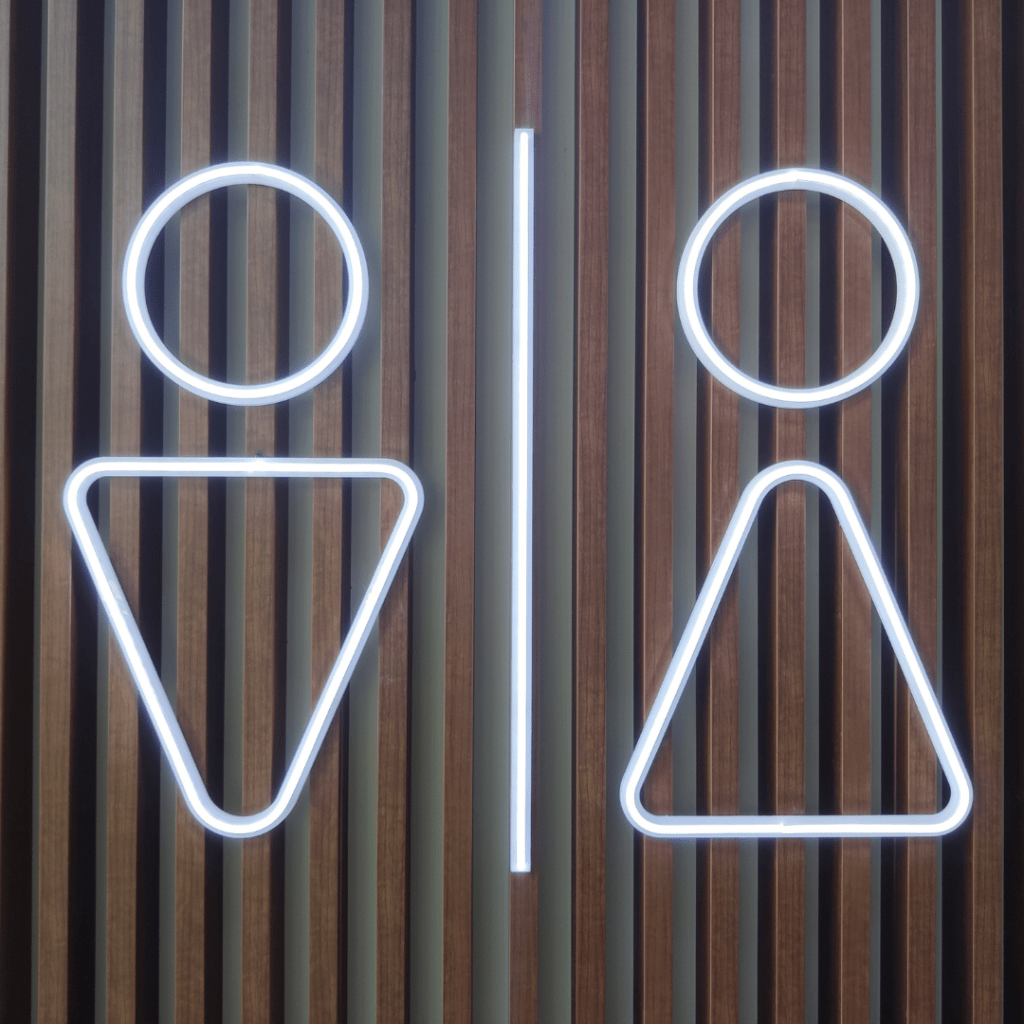
When it comes to mental health, men and women aren’t the same and this is a critical consideration when taking a lifespan approach to promoting mental health. The types of mental health issues that the genders experience, how these issues show up, and even how they seek help can look very different.
These differences are influenced by a mix of biology, hormones, and social factors. Let’s take a closer look at how mental health patterns differ in men and women as we move through different stages of life.
Childhood and Adolescence: Different Starting Points
Boys and girls start showing differences in mental health early on. For example, boys are more likely to be diagnosed with autism spectrum disorder (ASD) or attention-deficit/hyperactivity disorder (ADHD). Boys are four times more likely than girls to be diagnosed with autism. However, some researchers believe girls are often missed because their symptoms are subtler or show up in different ways
1. When puberty hits, things shift. Teen girls are more likely to develop depression and anxiety, with rates nearly twice as high as those for boys. A 2017 study published in JAMA Pediatrics found that about 36% of adolescent girls reported depressive symptoms compared to 13% of boys.
2. A big factor here is the mix of hormonal changes, social pressures, and concerns about appearance that many girls face. Boys in their teen years, on the other hand, are more likely to act out. They may develop behavioural
disorders or start experimenting with drugs or alcohol. Society often expects boys to be “tough” and hide their emotions, which can lead to them expressing stress through risky or aggressive behaviour(Kessler et al., 2005)
Early Adulthood: Women Feel, Men Hide
As young adults, women and men face different mental health challenges. Women are much more likely
to experience depression and anxiety disorders like panic attacks or social anxiety. In fact, women are
about twice as likely as men to be diagnosed with these conditions. Hormones like estrogen play a role
in this, as does the added stress from balancing work, relationships, and sometimes motherhood. For
women who become mothers, postpartum depression is a unique risk, affecting about 1 in 8 new moms.
(American Psychological Association, 2019).
Men in early adulthood often struggle in silence. They are more likely to deal with substance abuse or
develop behaviours linked to antisocial personality disorder. Men may turn to alcohol or drugs to cope
with stress because they’re less likely to open up about their feelings. Sadly, men in this age group are
also more likely to die by suicide. While women attempt suicide more often, men use more lethal
methods, which makes their attempts more fatal.
Midlife: Hormones and Pressure
Mental health in midlife is shaped by big life changes like career shifts, parenting challenges, and ageing.
For women, menopause can bring its own mental health hurdles. Many women experience mood
swings, anxiety, or even depression as their hormone levels drop during this time.
For men, midlife can also be stressful. They might feel pressure to succeed at work, worry about ageing,
or face loneliness as friendships or family dynamics change. Men are less likely than women to talk
about their emotions, so they may experience depression in ways that aren’t obvious, such as feeling
constantly tired or developing unexplained physical symptoms like headaches or back pain.
Older Adulthood: New Challenges
As we grow older, mental health issues don’t go away—they just change. For women, the risk of
developing Alzheimer’s disease is higher. Almost two-thirds of people with Alzheimer’s are women. Part
of this is because women tend to live longer, but hormonal changes after menopause may also play a
role.
Older men often face social isolation, which can lead to depression or increased substance use. While
loneliness affects both genders, women are more likely to maintain social connections that help protect
against mental health problems. Older men also face a serious risk when it comes to suicide. The suicide
rate for men over 65 is much higher than it is for women of the same age. This highlights the importance
of targeted mental health support for older men.
Why These Differences Matter
Recognizing that men and women experience mental health differently is crucial for providing better
care. For example, for women, treatment can include addressing hormonal shifts and managing life
stresses. Therapy and medications tailored to their unique needs can make a big difference.
For men, reducing stigma around seeking help is key. Creating safe spaces for men to open up and
combining physical health check-ups with mental health screenings can improve outcomes.
Building a Better Mental Health Future
It’s important to remember that gender differences in mental health aren’t rigid rules. People are
individuals, and their experiences will vary. However, understanding these patterns helps mental health
professionals create treatments and programs that are more personalized and effective. By
acknowledging these differences and supporting each other, we can break down stigmas and build a
mental health system that works for everyone.
 WellChildHub
Leave a comment